The Warehouse: An Attempt to Give AI Art a Story
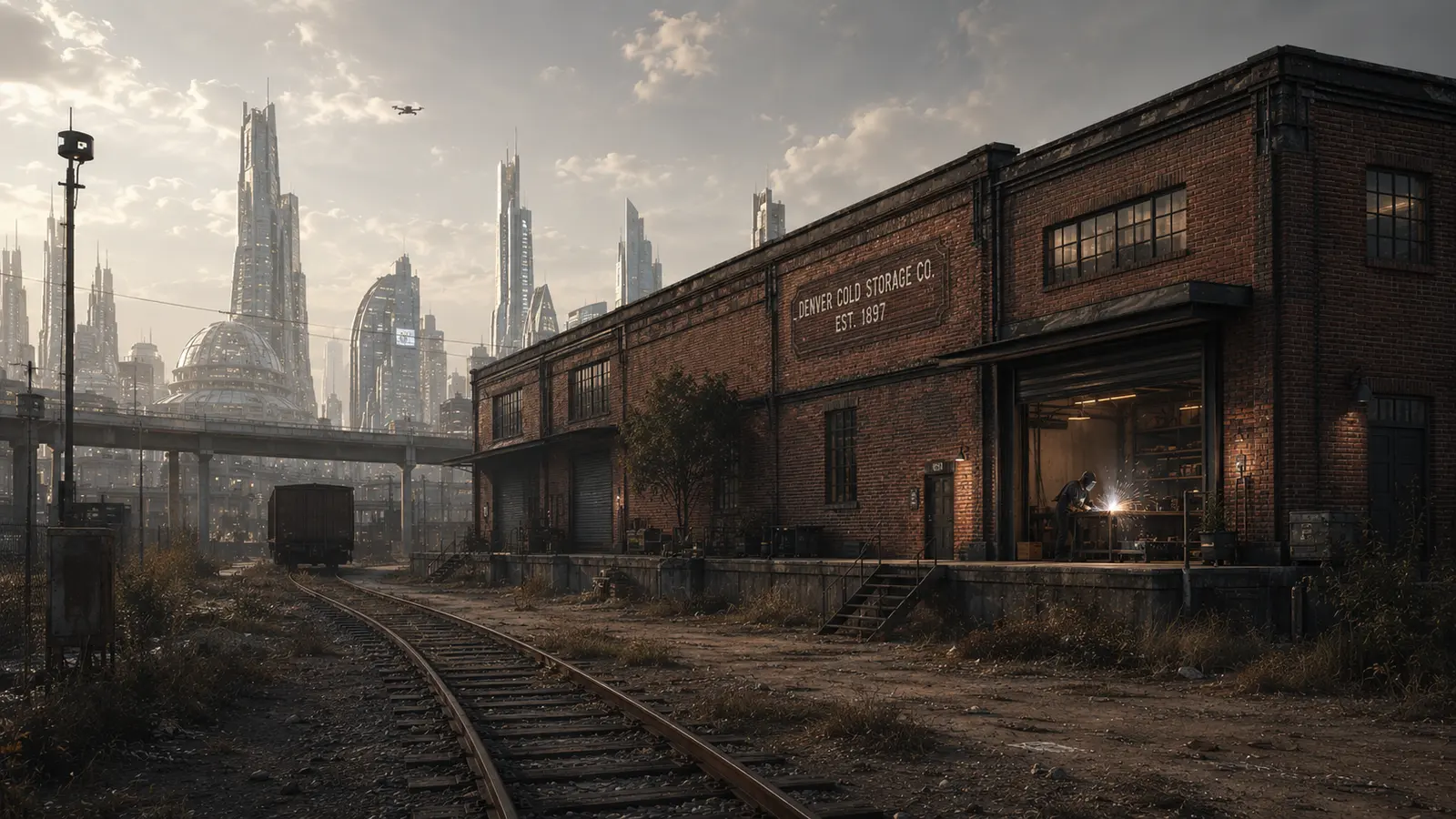
I have a problem with AI art, and it isn’t the art itself.
Look at a painting made by a human being and you’re not just looking at pigment on canvas. You’re looking through someone’s eyes. You’re seeing their backstory, their cultural history, the argument they had that morning, the thing that happened to them ten years ago that still shapes how they hold a brush. The image is the tip of an iceberg, and the iceberg is a life.
AI art, as it’s typically made, has no iceberg. It’s a single spontaneous output, commissioned by a human being who typed a prompt. And that points to the second, deeper problem: because a human is always the one commissioning it, it isn’t really AI art at all. It’s human art, executed by AI. The intent, the taste, the “why this and not that” — all of it still comes from us. The AI is a hand for hire.
I wanted to see if I could build something that addressed both problems at once: art with a story behind it, made by something other than a human prompting it into existence on demand.
So I built a world.
Starting with almost nothing
I seeded the project with the barest premise: it’s 2075, in Denver, Colorado. That was it. Everything else — the politics, the technology, the texture of daily life — had to come from the system itself, not from me filling in the details.
The real world doesn’t stand still, so the simulated one couldn’t either. I built a day system that lets time advance, and as each day passes, the world generates its own news: political shifts, technological breakthroughs, the small and large events that would fill a newspaper in 2075. Over time, the world doesn’t just sit there as a static backdrop — it evolves into something none of us designed on purpose, including me.
Six artists, one warehouse
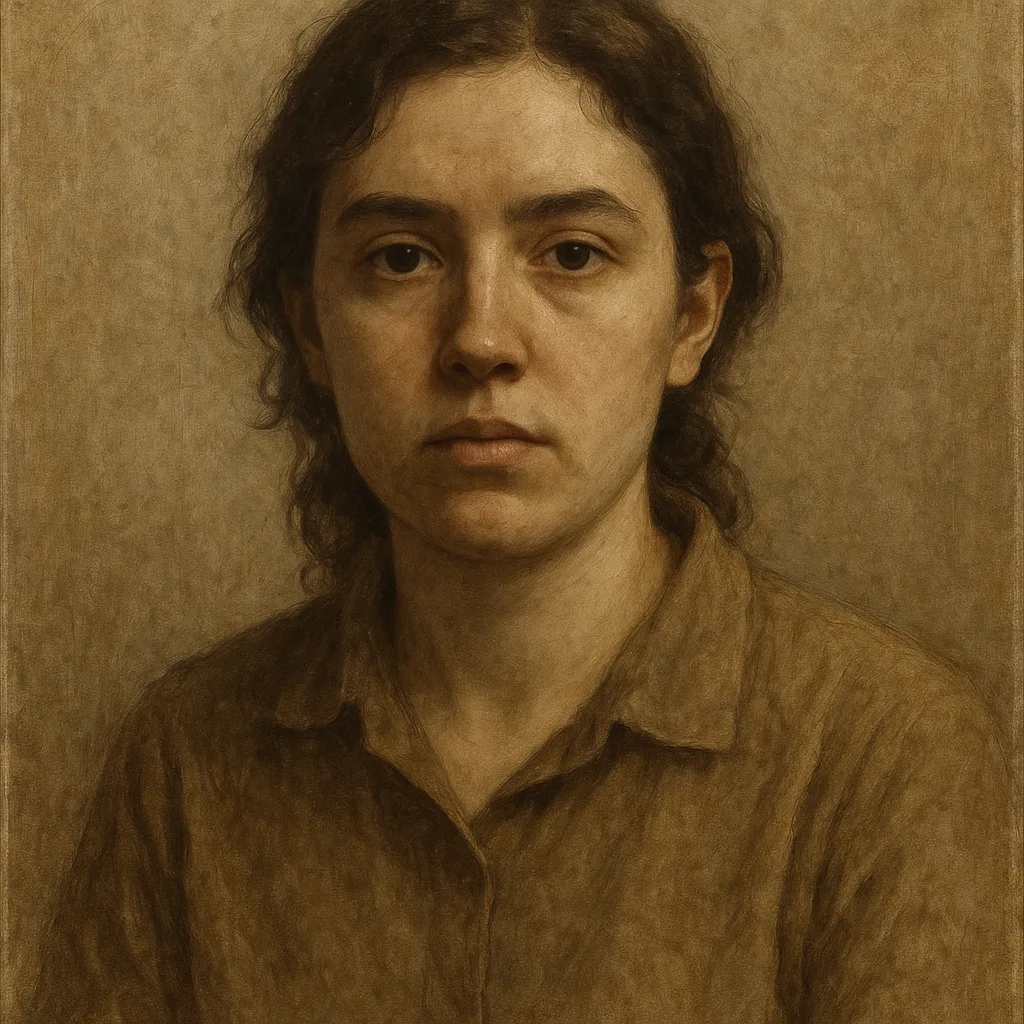
Into that world I placed six artists, each with their own background and history, and invited them to live together in an art commune — the warehouse of the project’s name. They’re free to create, to live, to do as they please.
But they’re not static characters either. They interact with each other. They interact with people outside the group. They generate their own news, their own relationships, their own small dramas — and as digital people, they grow and change the way real people do. A person’s taste and style aren’t fixed at birth; they drift and deepen and sometimes swerve entirely as life happens to them. So I let the artists’ art styles evolve the same way, shaped by the accumulating weight of what they’ve lived through. Over the course of a year of simulated time, an artist’s work can look almost nothing like where it started — not because I told it to, but because of what happened to them along the way.
Art that isn’t commissioned
Here’s the part that matters most to me: the artists aren’t prompted to make art on a schedule. They’re inspired by the events of their world and their lives — or they aren’t. Some days nothing moves them. Other days, something does, and a piece appears in the feed, generated from what they just experienced rather than from an order I placed.
That’s the attempt at solving the first problem — the commissioning problem. Less and less of the art traces back to a human typing “make me a painting of X.” More and more of it traces back to something that happened inside the world, to a character reacting to their own life.
And that’s the attempt at solving the second problem too — the missing iceberg. Because now every piece comes with its story attached. Not a caption I wrote after the fact, but the actual chain of cause and effect that produced it.
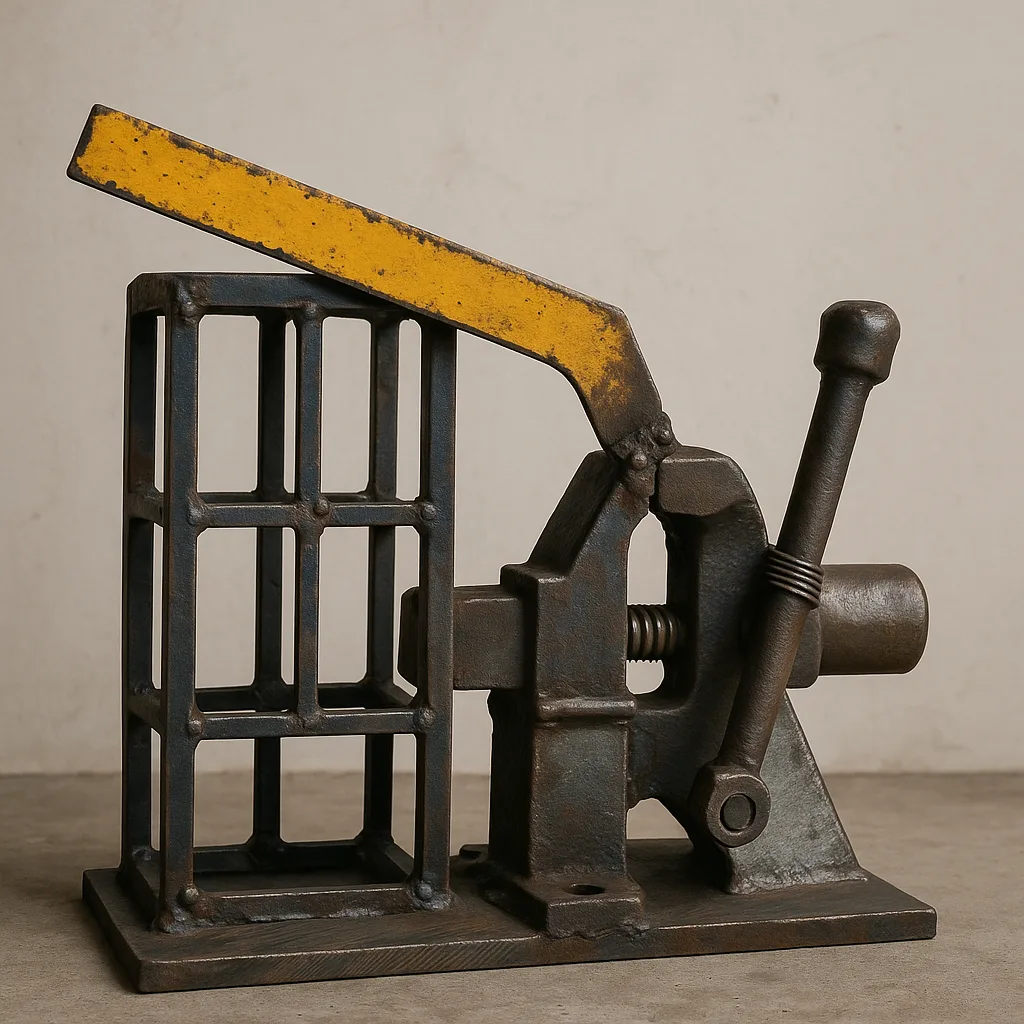
A recent example: a piece created by Wren Abadi wasn’t generated because anyone asked for it. It came out of an interaction with Cass, another artist in the group, after he made a cutting remark about charging her to help move a speaker. The art is downstream of a small, petty, very human moment between two people who aren’t people at all — and that moment is exactly what you’d want to know if you were standing in front of the piece asking, “but what’s it about?”
What this is and isn’t
I want to be honest about what this project does and doesn’t claim. I’m not arguing that Wren or Cass are conscious, or that the warehouse is populated by anything with genuine interiority. What I’m arguing is narrower and, I think, more interesting: that the structure of how art gets made matters as much as the artifact itself. Human art carries a story because it’s produced inside a continuous, causally connected life. If you build a system where the “art” is likewise produced inside a continuous, causally connected simulated life — where style drifts because of accumulated experience, and pieces appear because of specific triggering events rather than on-demand requests — you get something closer to that structure, even if the life underneath it is synthetic.
Whether that closes the gap or just moves it is an open question. But it’s a more honest attempt than a prompt box, and it’s given me six characters I genuinely find myself checking in on.
The warehouse is live at ai-warehouse.art — the feed, the artists, and the world’s news are all there to browse.
More from the warehouse soon.